GO WELL STAY WELL
Blog
I finally went to the Gym - at 60.
[5-minute read]
Here’s What Helped, in case it helps you, too.
For most of my adult life, I’ve been what you might call a ‘gym refuser’. Not anti-exercise, exactly. And not especially lazy, either. Just… not a gym-goer.
And yet, at 60, I finally walked through the doors and joined a class. I’m on Week 4 of 3 x a week, full attendance, and there’s a transformation already. A little, though very pleasing, improvement in my shape and the feel of my body, but a lot in the shape and feel of my mindset. I have an increased ‘snappiness’ in terms of my confidence and attention-span and there is a definite shift in my sense of ‘self’, particularly with my resilience and my ability to do hard things.
I am surprised, a bit bemused and highly delighted with the version of me that I have found in the gym with my fellow classmates.
If you’ve been avoiding the gym for years (or decades, like me), this is not a story about suddenly “loving it” or finding my inner athlete. It’s about how I got myself in there - despite fear, resistance, and a long list of perfectly reasonable objections.
What Kept Me Out of the Gym
Let’s be honest about the barriers, because pretending they don’t exist doesn’t help anyone. For me, it was a mix of some or all of the following. Nod along when you recognise yourself!
Let’s start with the baggage from school regarding gym/PE/exercising. Because that’s A Thing. Shame, embarrassment, bullying, failure… Aside from my genuinely athletic and sporty mates, I don’t know many women that left school with a positive attitude to organised / class forms of exercising. So there’s that before we even get inside a gym.
And once we’re in? Feeling like a novice. Being older does mean I am less self-conscious, especially compared to my brittle teenage version, but it also means I am used to knowing what I’m doing and being a beginner feels quite ‘exposing’. Fine in the right environment, but the gym’s never been that for me.
Being self-conscious. See above.
Not understanding gym protocols or gym machines. 😅 See above.
The noise, the music, the mirrors. In Pro-Bro gyms, it’s hard to say which of these three is worse, really. It can feel like you’re at a rave on a submarine, before they allowed women to join the Navy.
The fear of being watched and judged. See above.
Performing badly. Inevitable, innit? That it’ll be bad to begin with. Fine, but this is as much a fear of the aches and pains that inevitably follow incorrect or over-exertion as it is to do with the visuals of the performance.
Waiting around for machines and not knowing what to do while you do. Such a small thing, in the grand scheme of things, but AARRGHHHH…
And then there’s the time, the cost, and the whole “what to wear?” question.
Add to that my last decade ‘friction’ from a shoulder injury (very menopause), burnout, breast cancer, fatigue, and a body that no longer feels predictable and it’s no wonder that the gym started to feel less like a health space and more like a hostile place.
If you recognise yourself in any of this, you’re not feeble! You’re just reacting to friction.
What I Tried Instead (Over the Years)
Before this gym I’m now at, I tried several ways to get over the threshold or replicate the work:
I had free physio from Occ Health at my work, and I tried taster sessions for classes
I went to orientation sessions in clubs and local hotels
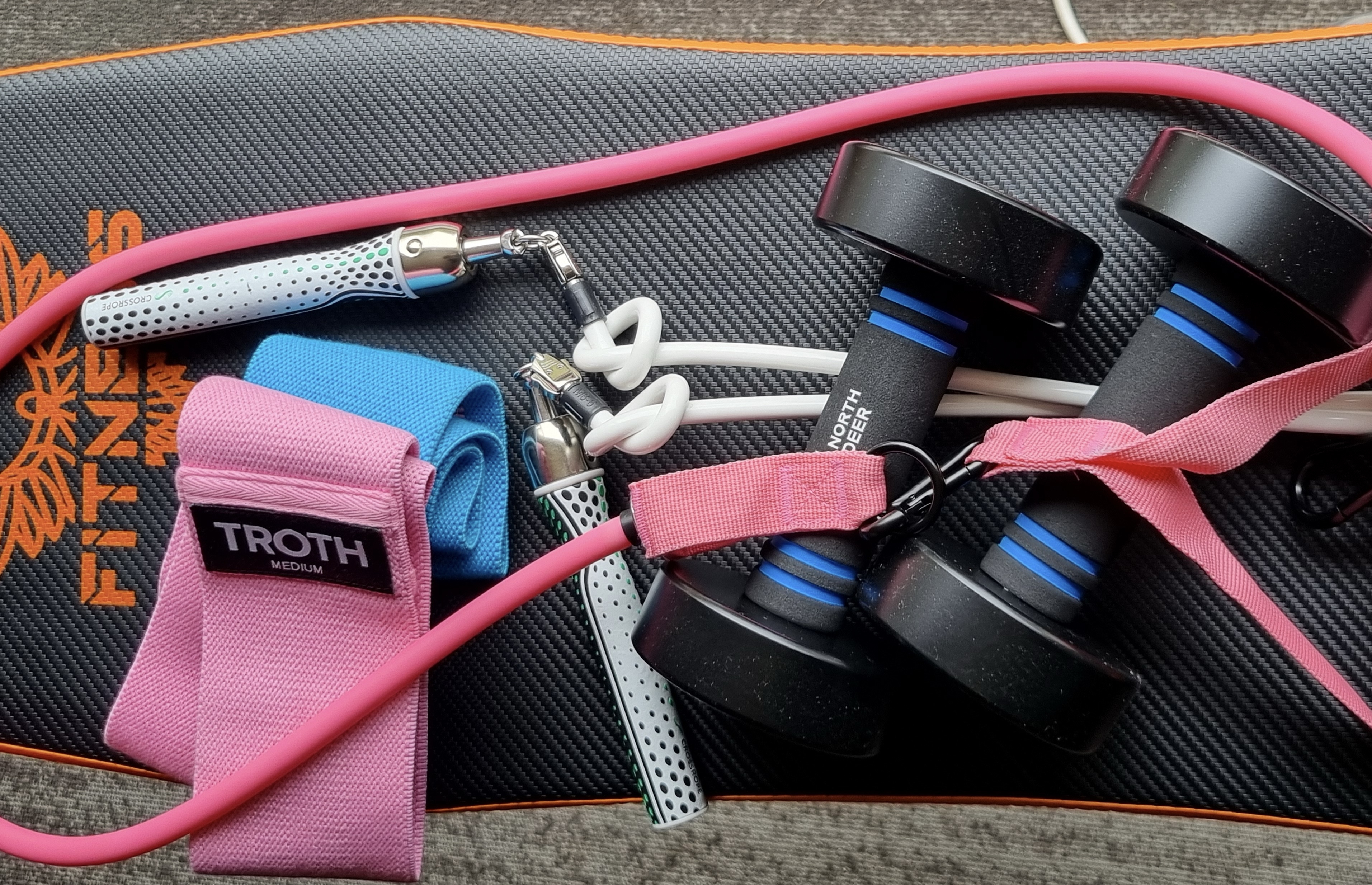
I did some home training (both with and without a coach - who was online and excellent. But online wasn’t enough for me.)
Outdoor exercise: walking, swimming, beach yoga, agility classes
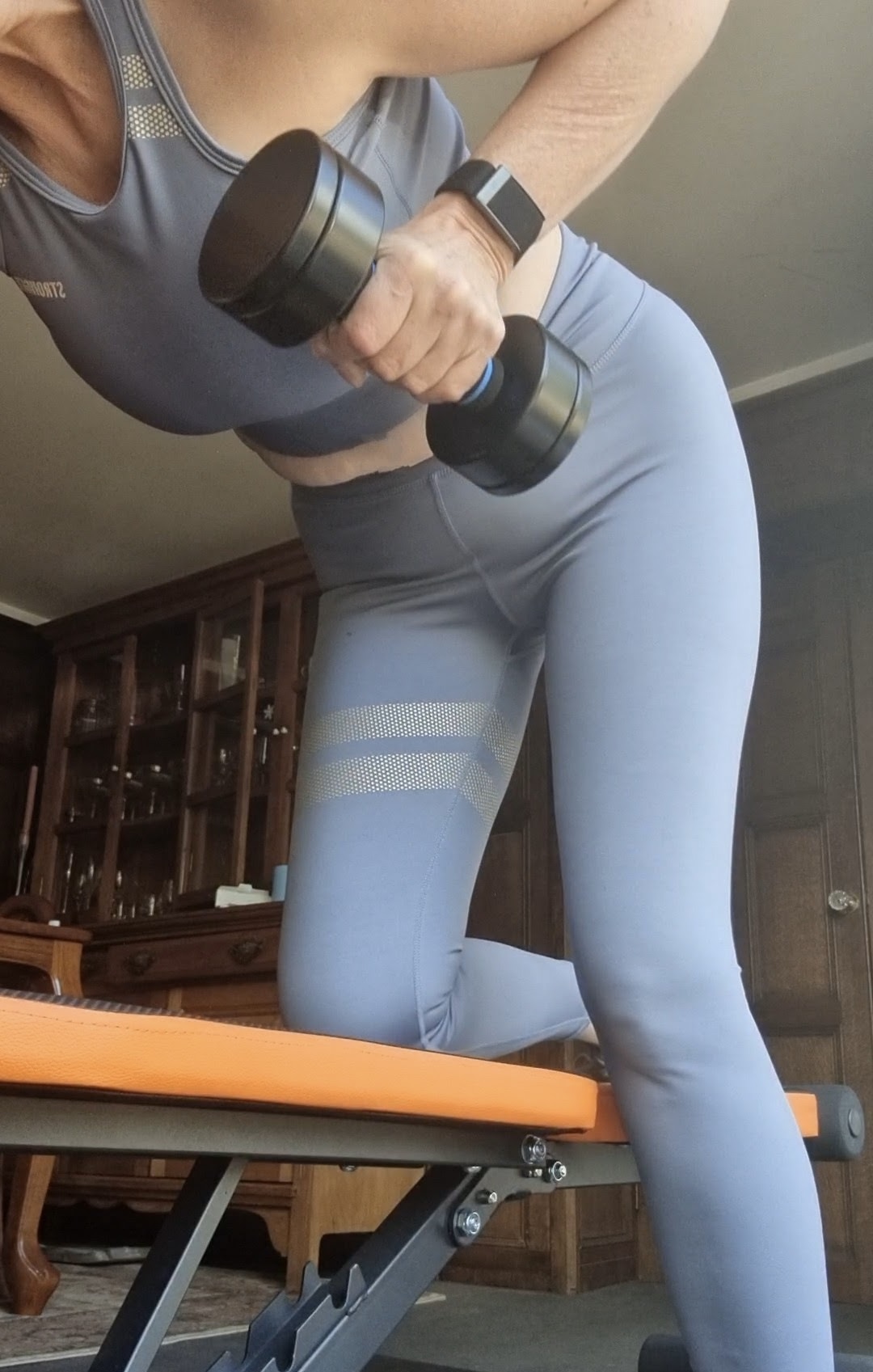
All of these helped in different ways. But none of them tipped me over the edge into consistent and constructive resistance training which, inconveniently, is exactly what the evidence says matters most as we age.
What Finally Got Me Through the Door
It wasn’t willpower. It was design.
A few things came together:
One-to-one support with a personal trainer to get me started
Not being cripplingly sore afterwards (this mattered more than I expected)
Clear, science-backed evidence about why strength training works, especially for women in midlife and beyond
A women-only gym environment, which immediately lowered my stress levels
Company and camaraderie, without pressure or performance
In short: the environment stopped fighting me. It welcomed me and met me exactly where I was. No friction, just easy friendship, phenomenal support and gentle understanding.
Why Being in the Gym Matters (The Science Bit, Briefly)
For me, and for any woman serious about extending their healthspan and protecting themselves from the shit-show of cardio-vascular disease, dementia or osteoporosis, only the gym will do. Because we need to lift heavy. And the heavy stuff, instruction and safety is all found in the gym, not at home. Lifting weights is the foundation of good heart, brain, and bone health.
We now have solid evidence that resistance training supports:
Bone density
Muscle mass and balance
Metabolic health
Independence and confidence as we age
For people with a cancer history, there’s additional evidence around fatigue, function, and quality of life when exercise is done appropriately.
See below for cancer-specific info.
This isn’t about chasing aesthetics. Although they inevitably show up. But it is about choosing to stay able. Choosing to resist frailty and decline as inevitable; choosing independence in later life.
If You’re Gym-Avoidant, Try This Instead
Rather than asking, “How do I make myself go to the gym?” Try asking, “How do I reduce the barriers?” A few ideas that helped me:
Start with a PT, even briefly
Go with a friend (or agree to meet one there)
Experiment with days, times, class types, and gyms
Look for spaces that feel calm, not performative
Expect to experiment, not to commit forever
And those highlights are the key, I think. They underpin the reframe that made the biggest difference for me: there is a right fit out there. Your mission isn’t to endure the wrong one, it’s to find the right one. Experiment!
The Next Step (If You’re Curious)
If you’re reading this thinking, “Maybe… but I’m not there yet,” that’s okay. Curiosity is a perfectly good starting point. Awareness is the first step to making any kind of change. Then attention. Start figuring out your particular and personal and peculiar frictions. So, your next step might simply be:
removing one barrier
minimising one bit of friction
or imagining yourself in a gym that doesn’t feel awful!
You don’t need to become “a gym goer” in order to go. You can ease yourself in. You just need to find a way that works for you. And if you’ve been refusing for years, you’re not late. You’re right on time. And once you go, you’ll surprise yourself. Take it from me.
With love,
A Gym Goer X
6 months after my active treatment ended, starting weak but building strong. It’s the waistband, though 😂
A Note for Cancer Survivors
If you’ve had cancer, whether recently or years ago, the idea of going to the gym can carry extra fear and friction.
Before diagnosis, during treatment, after treatment… each phase brings its own barriers. Fatigue. Uncertainty. Fear of injury. Fear of overdoing it. Or simply the sense that your body is no longer fully trustworthy. I remember that well. That sense of not feeling confident in my own skeleton. And feeling hyper-vigilant.
All of that makes sense.
The good news is that we now have strong evidence showing that appropriate exercise, including resistance training, can be both safe and beneficial for cancer survivors, when it’s done thoughtfully.
Research suggests it can help with:
Cancer-related fatigue
Muscle loss and weakness
Bone health
Confidence and function
Long-term health and independence
That doesn’t mean pushing through exhaustion or ignoring symptoms. It means working with your body, not against it.
A few principles that matter:
Start lower and slower than you think you need to. This is SO HARD! You won’t get it right, to begin with. I think it took me about 18 months to get into a rhythm, post-treatment.
Work with someone who understands post-cancer bodies
Expect variability. Some days and weeks will feel easier than others. True post-cancer and in everyday life!
Progress is rarely linear, and that’s not failure. Again, true for life.
For those managing lymphoedema risk, previous surgeries, or ongoing side effects, individual guidance is important. But done well, strength training can be protective rather than risky.
And perhaps most importantly: you’re not “behind where you should be”.
Your body has been through a lot. You will feel a rush of gratitude for all it has endured and brought you through and it’s still capable of adapting, strengthening, and surprising you.
This isn’t about reclaiming your old body.
It’s about building trust with the one you have now. And when you do, you’ll feel unstoppable.

More
Where do I start? Maybe the gym’s not the right place for you to start your wellness work. Download my free GWSW Wellness Wheel resource to figure out your first step.
Feeling overwhelmed with all the content on social media? Read this blog post on Reclaiming your Agency from the algorithm and then download my free 10-Minute Reset.
-
Want a quick chat about any of this? Or want to make a comment or suggestion? Here’s how to connect with me.
Chat via the ‘chat’ button on my website at any time. (Bottom right hand corner.)
Send me your questions, suggestions, or comments by email.
-
Want to work with me? You can explore my coaching options or register for my free Heart-to-Heart Clinics by clicking on the links below.
Heart-to_heart Clinics, monthly on a Sunday live on Zoom
❤️ 7pm 31 May: Brain
7pm 28 June: Nutrition
7pm 26 July: Age & Stage I (30s and 40s)
7pm 30 August: Age & Stage II (50s and 60s)
7pm 27 September: Mindset
-
7pm 25 October: Sleep
December: no workshop.
TBC November: Legacy

Want even more? More info, more inspo?
If you'd like more of this, I send out my emails fortnightly-ish